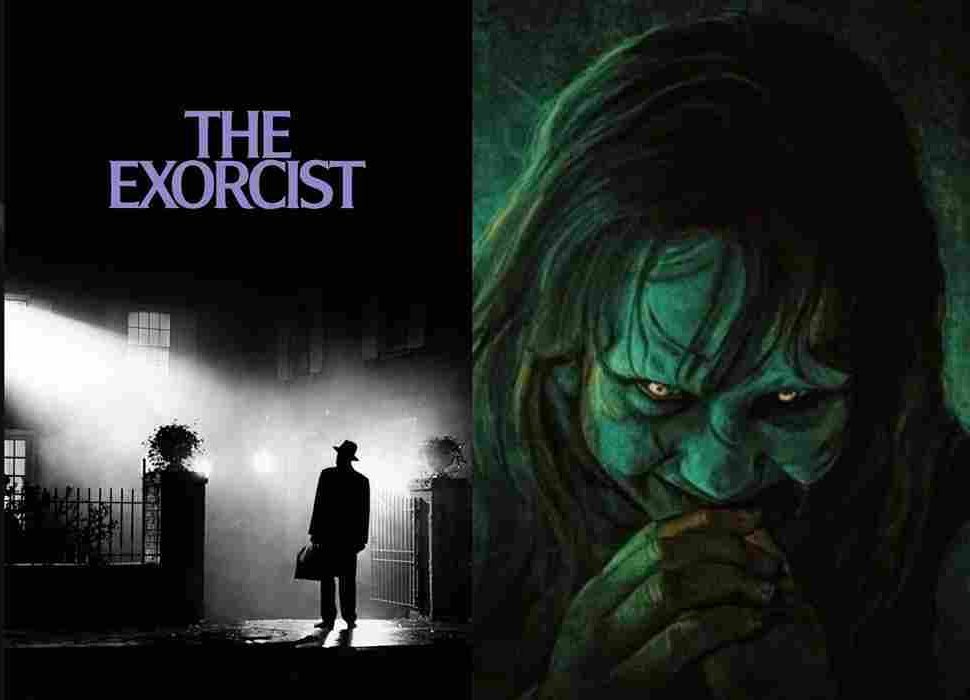
Horror fans often debate whether modern sequels can match the psychological intensity of classic cinema. Comparing The Exorcist (1973) with its modern continuation reveals how storytelling, tone, and emotional impact have evolved — and why the experience of fear feels different today.
In this The Exorcist Review and comparison, we explore:
- How storytelling approaches changed between both films
- Why psychological dread defined the original
- Whether The Exorcist: Believer successfully modernizes the formula
- Key thematic and stylistic differences shaping audience reactions
Table of Contents
About The Exorcist Films
- Genre: Supernatural psychological horror
- Core themes: Faith vs doubt, trauma, possession mythology
- Cultural impact: Frequently ranked among the greatest horror films ever made
- Evolution: From a grounded Catholic exorcism narrative to a broader, multi-faith modern interpretation
Storytelling Approach and Narrative Evolution
The Exorcist (1973)
William Friedkin’s original film builds fear through realism and restraint. The story begins with rational medical explanations before gradually embracing the supernatural, grounding the horror in believable human struggle.
Key strengths include:
- Slow-burn pacing that sustains tension
- Emotional focus on Regan and her mother’s desperation
- Exploration of science versus religion through Father Karras’ internal conflict
Rather than relying on constant shocks, disturbing imagery emerges gradually. Moments like levitation or violent possession feel unsettling because they interrupt an otherwise grounded reality.
Also read: The Lord of the Rings Review — A Truthful Insight of Tolkien’s Timeless Epic
The Exorcist: Believer (2023)
The Exorcist: Believer expands the mythology by introducing two possessed girls and a community-driven response. Instead of centering solely on Catholic ritual, the film explores collaboration between multiple faith traditions.

This shift aims to modernize the narrative:
- Dual possession increases scale but reduces intimacy
- Greater focus on grief, parenting, and shared trauma
- Faster pacing aligned with contemporary horror trends
While the broader scope introduces new ideas, it changes the emotional focus that defined the original.
The Exorcist Movie: Horror Style & Atmosphere: Psychological Dread vs Modern Structure
The 1973 film relies heavily on atmosphere rather than jump scares. Everyday environments become unsettling because of the serious tone and restrained filmmaking choices.
Core elements include:
- Practical effects that feel raw and physical
- Religious symbolism used to deepen tension
- Minimal music and controlled camera work that enhance realism
By contrast, The Exorcist: Believer adopts more familiar modern horror techniques. Although early scenes establish mood effectively, the narrative divides attention across multiple characters, which can weaken sustained dread. Emotional stakes remain present but rarely reach the same intensity.
Also read: Harry Potter Review: The Most Epic Fantasy Ever Written – WorldoDelusion
The Exorcist Comparison : Character Depth and Emotional Weight
One reason the original remains so influential is its character-driven storytelling. Chris MacNeil’s helplessness and Father Karras’ crisis of faith make the supernatural conflict deeply personal.
Regan’s innocence transforms shocking moments into emotional tragedy rather than spectacle.
In comparison, The Exorcist: Believer explores trauma and parental fear but has received mixed reactions. Performances — particularly Leslie Odom Jr.’s — have been praised, yet some critics feel emotional arcs develop too quickly, and legacy characters function more as nostalgic callbacks than essential narrative anchors.
Also read: Exploring Worlds Beyond: An Authentic Review of His Dark Materials Trilogy – WorldoDelusion
The Exorcist Review: Themes, Religion & Symbolism
The original film treats faith as a serious philosophical struggle. Catholic ritual represents sacrifice, redemption, and moral conflict. William Friedkin’s commitment to realism helped shape the film’s enduring mythology and cultural impact.
The newer film attempts to reflect contemporary spirituality by incorporating multiple belief systems. While some viewers appreciate this inclusive perspective, others feel it softens the focused spiritual tension that defined the earlier story.
The Exorcist Analysis: Critical Reception and Cultural Impact
- The Exorcist (1973): Widely acclaimed and often considered one of the scariest films ever made, with lasting influence on the horror genre.
- The Exorcist: Believer: Divisive reception; praised for ambition and performances but criticized for predictable scares and reduced psychological intensity.
Read more from recent posts: Best Frankenstein Movies to Watch in 2026: Frankenstein Film’s Ultimate Guide
FAQs
- Is The Exorcist (1973) still scary today?
Yes. Its grounded storytelling and slow psychological escalation create lasting tension. The emphasis on atmosphere and emotional realism helps it remain effective decades later.
- Does The Exorcist: Believer continue the original story?
It functions as a legacy sequel with returning characters and thematic continuity. However, it expands the mythology through multi-faith perspectives rather than focusing solely on Catholic exorcism traditions.
- Which film is better for new viewers?
The original remains essential viewing because it establishes the emotional and thematic foundation of the franchise. The Exorcist: Believer works best as a reinterpretation rather than a direct tonal continuation.
Final Thoughts
These two films represent different visions of possession horror. The original thrives on psychological depth, religious symbolism, and emotional realism, while the modern sequel explores broader themes through contemporary storytelling techniques. For viewers who appreciate slow-building dread and character-driven narratives, the classic remains unmatched.
If you enjoy deep horror analysis, explore more comparisons between classic and modern genre films to see how horror storytelling evolves across generations.
Follow us: