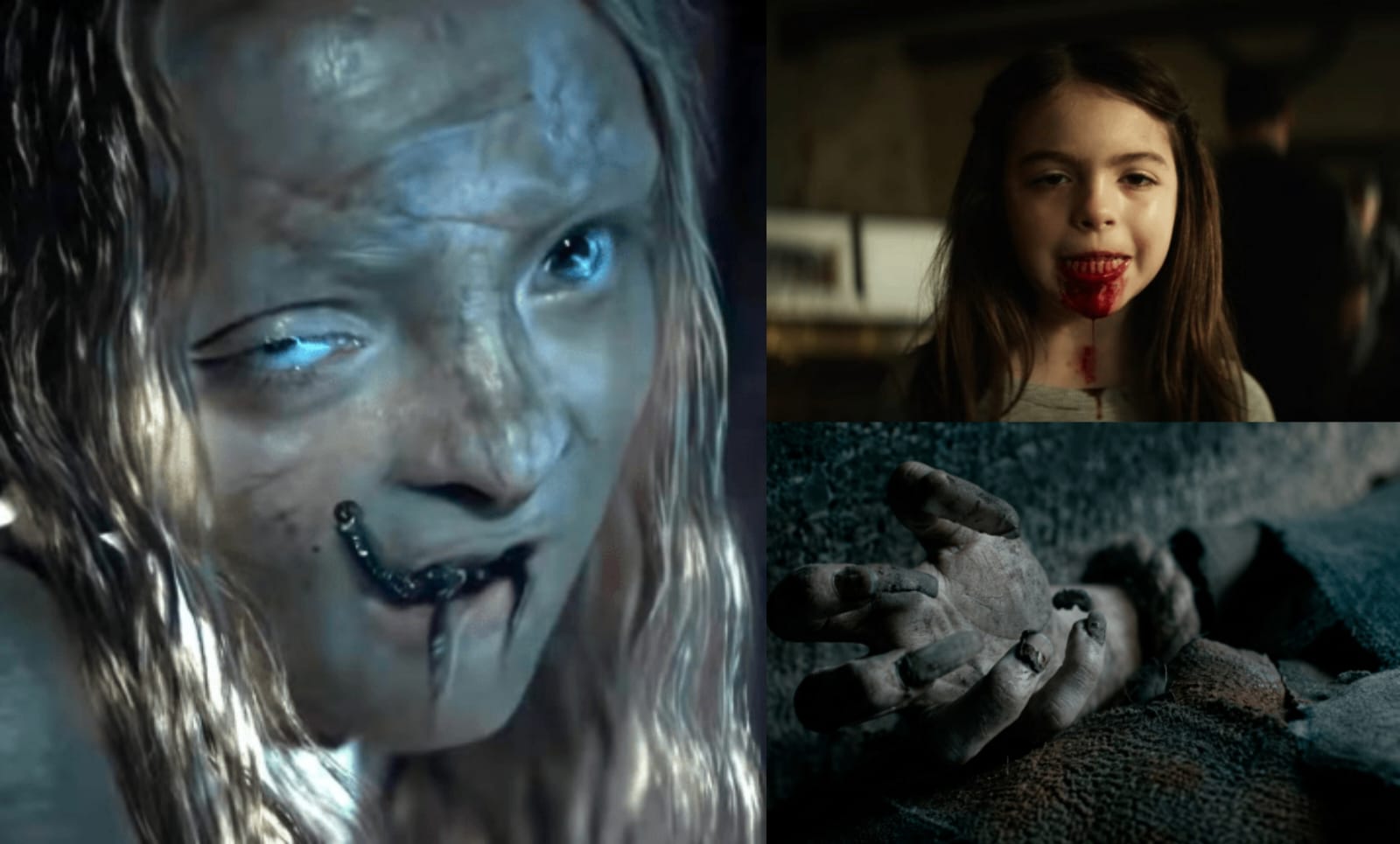
What happens when a classic mummy movie stops chasing adventure and starts chasing discomfort instead? That’s exactly why The Mummy has become one of the most talked-about horror films of 2026.
Some viewers called it revolting. Others called it one of the boldest modern horror reboots in years. Either way, people haven’t stopped discussing the body horror, disturbing imagery, and bleak ending. In this breakdown, you’ll find the biggest Lee Cronin’s The Mummy facts, hidden details, disturbing and gross scenes, practical-effects secrets, symbolism, and why the film split audiences right down the middle.
Table of Contents
About the Movie — Lee Cronin’s The Mummy 2026
| Detail | Information |
| Movie | The Mummy |
| Director | Lee Cronin |
| Genre | Body Horror / Supernatural Horror |
| Runtime | 133 Minutes |
| Main Theme | Trauma, corruption, infection, grief |
| Main Creature | Nasmaranian demon |
| Horror Style | Practical gore effects + psychological horror |
| Tone | Dark, claustrophobic, disturbing |
Unlike earlier Mummy adaptations, this version abandons adventure-comedy completely. Instead, it plays more like a possession nightmare trapped inside a collapsing family drama.

Why Lee Cronin’s The Mummy 2026 Feels So Different
The biggest shift in Lee Cronin’s The Mummy 2026 is tone. The older The Mummy films treated ancient curses like blockbuster fun. Cronin’s version treats them like emotional infection. The horror spreads through guilt, family trauma, and physical decay.
Most of the film takes place inside cramped interiors, dark hallways, and hidden crawlspaces. That choice matters because the movie wants viewers to feel trapped with the characters rather than entertained by spectacle.
The “mummy” itself also changes meaning here. Instead of a resurrected king, the Nasmaranian acts more like a parasitic demon using a child’s body as a prison. That twist makes the horror feel deeply personal instead of mythic.
Also read: Lee Cronin’s The Mummy (2026): Not the Adventure You Expect — Full Review, Plot & Verdict
10 Disturbing Lee Cronin’s The Mummy Facts
1. Lee Cronin mummy body horror became the film’s main identity
The movie pushes body horror harder than most mainstream studio films in years. Skin tears apart. Teeth get ripped out. Faces deform in close-up shots. The camera rarely cuts away from physical suffering, which explains why reactions online focused more on disgust than fear.Fans of practical gore praised the commitment. Others felt overwhelmed by how relentless it became.
Also read: 13 Chilling Facts About The Conjuring: Last Rites That Make It Unforgettable
2. Disturbing scenes in Lee Cronin’s The Mummy reportedly caused walkouts
Several audience reactions mentioned gagging, nervous laughter, and even viewers leaving theaters. The reason wasn’t jump scares. It was repetition. The film constantly returns to vomiting, infected wounds, insects, and bodily transformation until discomfort becomes the entire atmosphere. That approach turned the movie into a viral discussion point almost overnight.

Want character illustrations? Follow us on Pinterest
3. Practical effects were prioritized over CGI
One of the strongest facts about Lee Cronin’s The Mummy is how heavily it relied on prosthetics and practical makeup work. The wounds feel wet, tactile, and ugly in a way CGI often cannot replicate. The stretched skin effects and dental horror sequences especially stand out because they look physically real. You can clearly see influence from classic splatter horror and Raimi-style filmmaking.
4. The movie behaves more like possession horror than a mummy film
The Nasmaranian acts closer to a demonic infection than a traditional monster. Katie’s behavior slowly changes through posture, speech, movement, and facial expressions. The horror becomes psychological long before the full physical transformation begins. That structure makes the film feel closer to The Exorcist than a standard creature feature.
Also read: Best Netflix Originals With Ratings: Top Netflix Shows Ranked by IMDb, RT & Popularity
5. Lee Cronin mummy hidden details reference classic horror cinema
Cronin layers visual callbacks throughout the movie. Rapid camera spins, aggressive zoom-ins, distorted facial closeups, and exaggerated gore all echo Evil Dead Rise and older Sam Raimi horror techniques. Even the exaggerated cruelty feels intentionally old-school. Some scenes are so excessive they almost become dark comedy.
6. The sound design is intentionally nauseating
A huge part of the movie’s horror comes from sound. Crunching bones, wet coughs, buzzing insects, and tearing skin are amplified constantly. Even viewers who disliked the story admitted the audio work was effective. The film wants every transformation to feel physically uncomfortable, not just visually shocking.

Follow us on Instagram
7. The mythology was mostly invented
Despite the Egyptian imagery, the Nasmaranian demon is not based on actual ancient Egyptian mythology. The film creates its own lore around curses, bindings, and family destruction. Some viewers appreciated the creative freedom, while others felt the mythology lacked depth compared to the visual horror. Still, the ambiguity helps maintain the film’s dreamlike tone.
Also read: Jack Torrance Character Analysis – Tragic Father or Psychopath?
8. The infection metaphor runs through the entire movie
The corruption spreads almost like a disease. Vomiting becomes contagious. Emotional trauma spreads between family members. Even the house itself starts feeling infected. That’s why Lee Cronin mummy body horror works best when viewed as emotional horror made physical.
9. Several gross scenes were reportedly trimmed
Early cuts of the film allegedly contained even more extreme gore. According to discussions around the production, additional decay sequences and longer transformation scenes were removed for pacing. Considering how graphic the final version already is, that detail surprised many viewers.

10. Critics and audiences completely disagreed
This may be the most important of all Lee Cronin’s The Mummy facts. Critics praised the visuals but criticized the storytelling. Horror fans were more divided. Some loved the unapologetic practical gore. Others felt the movie crossed into shock-for-shock’s-sake territory. That division is exactly what kept the film trending online.
Lee Cronin Mummy Gross Scenes Explained
The tooth-and-denture scene
The film’s most infamous moment involves a child pulling out her own teeth before wearing dentures taken from a corpse. It’s grotesque, deeply uncomfortable, and almost impossible to forget once seen. That sequence became the defining example of the film’s mean-spirited horror style.
The embalming fluid transformation
One character becomes internally consumed by a strange embalming substance that slowly melts the body from inside. The bubbling skin effects and body distortion sequences showcase the movie’s obsession with physical decay. This is also where the practical effects work reaches its peak.

The vomiting infection scenes
The projectile-vomit scenes are repetitive but effective. Black sludge, insects, and glowing bile become visual symbols of corruption spreading through the family. Cronin repeatedly frames bodily fluids as contagious horror.
The corpse reveal sequence
One of the creepiest moments comes when the family discovers a corpse whose face appears unnaturally reconstructed. The reveal works because the movie never fully explains what viewers are seeing. That uncertainty makes the image far more disturbing.
Also read: Stranger Things Tales From ’85 Season 1 Breakdown, Full Story, Monsters & Ending Explained
Lee Cronin Mummy Hidden Details You Probably Missed
The creature is rarely shown fully
The Nasmaranian almost never appears in one complete shot. Instead, the movie fragments the creature into limbs, mouths, silhouettes, and distorted glimpses. That technique mirrors the family’s psychological breakdown. The audience never gets stable visual reality.
Insect imagery constantly appears
Scorpions, beetles, crawling insects, and hidden movement appear throughout the film.These details connect both to Egyptian imagery and classic body-horror symbolism — the fear of something invading the body from within.

The wrappings symbolize emotional imprisonment
Katie’s bandages work as more than visual design. They represent containment, grief, guilt, and denial. The family believes they are preserving her identity while the demon slowly replaces it. That symbolic layer gives the film more depth than its shock-heavy marketing suggests.
Lee Cronin Mummy Ending Explained
The ending refuses to offer clean resolution. By the final act, Katie’s original identity is nearly gone. The Nasmaranian fully takes control, and the family’s attempt to “save” her ultimately accelerates the transformation. The final scenes imply the corruption can spread beyond one household. That sequel setup strongly hints at a larger horror franchise built around infection and inherited trauma.
Symbolically, the ending explores the fear of losing someone emotionally before losing them physically. The horror comes from watching a loved one become unrecognizable while still standing in front of you. That emotional angle is what makes the Lee Cronin mummy ending explained discussions so divisive online.
Also read: Amish Tripathi Books and Best Works: Complete Guide 2026
FAQs
Is Lee Cronin’s The Mummy really that disturbing?
Yes. The film heavily focuses on practical gore, infection horror, body transformation, and graphic physical suffering. Many viewers described it as more disgusting than traditionally scary, especially during the dental and vomiting sequences.
What is the Nasmaranian in Lee Cronin’s The Mummy?
The Nasmaranian is an original demon created for the film. It acts like a parasitic entity that spreads through emotional and physical corruption while using human hosts as containment vessels.
Are the gross scenes in Lee Cronin’s The Mummy mostly practical effects?
Mostly yes. Prosthetics, makeup effects, and physical gore rigs were prioritized over CGI, which gives the body horror a more tactile and realistic appearance throughout the film.
Is Lee Cronin’s The Mummy connected to older Mummy movies?
No direct story connection exists. The movie is a standalone reinterpretation of the mummy concept with a darker horror-first approach instead of adventure storytelling.
Will there be a sequel to Lee Cronin’s The Mummy 2026?
The ending strongly suggests sequel potential. The demon’s survival and the possibility of the infection spreading leave room for future films or a larger horror universe.
Final Thoughts
The Mummy succeeds or fails depending on what you expect from horror. If you want classic monster adventure, this version will probably feel unpleasant and exhausting. But if you enjoy extreme practical effects, oppressive atmosphere, and aggressive body horror, the movie delivers exactly what it promises.
That’s ultimately why Lee Cronin’s The Mummy facts continue dominating horror discussions online. The film may divide audiences, but it absolutely refuses to be forgettable. Love it or hate it, Cronin transformed The Mummy from a blockbuster monster into something much nastier — and horror fans are still arguing about it months later.