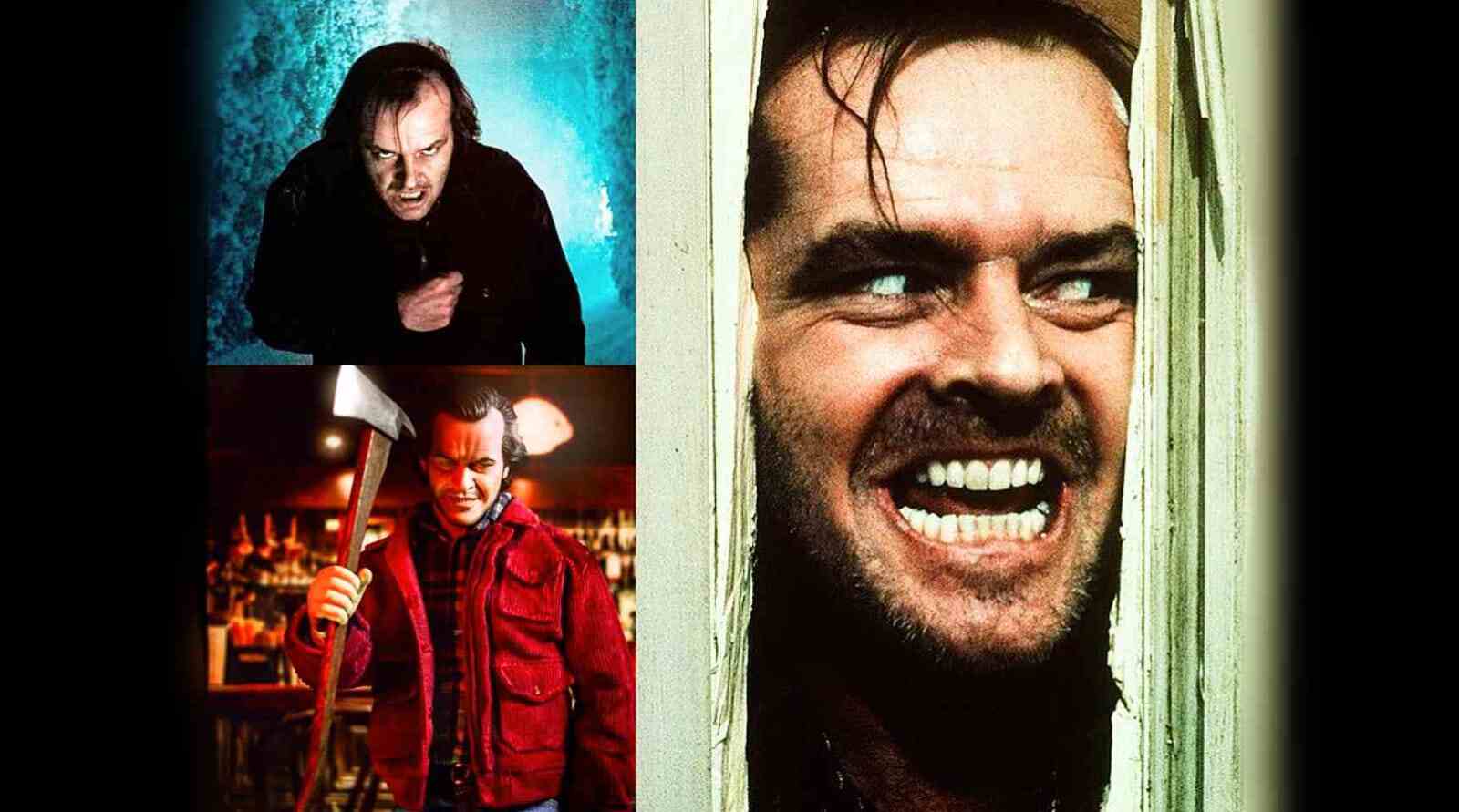
The Jack Torrance character analysis always begins with a tension that refuses to fade: how does an ordinary man collapse so quietly that his family becomes the last to notice? His arc blends emotional wounds, addiction, and supernatural pressure—turning Jack into one of the most intricate psychological studies in modern horror.
Table of Contents
About the Jack Torrance arc – in Stephen King’s The Shining
The Central Character of The Shining, a struggling father, accepts a winter caretaker job hoping for redemption, only to face the darkest corners of his own mind.
Core Themes Behind Jack Torrance’s Decline
- Generational trauma shaping adult identity
- Alcoholism undermining emotional stability
- A manipulative environment exploiting personal weaknesses
- The impossible balance between fatherhood and self-destruction
- The split between the novel’s empathetic Jack and Kubrick’s distant, icy Jack
Also read: Best Ruskin Bond Books: 15 Famous, Underrated & Beginner-Friendly Reads

Jack Torrance Backstory – The Foundation of a Fractured Mind
A well-built Jack Torrance backstory explains why the Overlook never had to push hard to break him. Jack’s childhood sets the stage for every flaw that follows.
Key traits formed early:
- Exposure to a violent, alcoholic father
- A household driven by fear and volatility
- Growing dependence on external validation
- A lifelong battle with shame and anger
These factors create a man desperate to rewrite his own story—making him dangerously vulnerable when the Overlook begins whispering in the dark.
Also read: The Only Good Indians: A Gripping Horror Story You Can’t Miss – WorldoDelusion
Jack Torrance Alcoholism – The Addiction He Can’t Outrun
A central pillar of any Jack Torrance character analysis is the role of addiction. Jack Torrance alcoholism isn’t just background flavor—it’s the engine of his collapse.
Addiction drives:
- The breakdown of his teaching career
- The mistrust in his marriage
- A spiraling dependency on control
- His susceptibility to supernatural influence
The Overlook uses his cravings as leverage. The phantom “drink” from Lloyd in the Gold Room works like a psychological tripwire, flipping Jack from wounded father to willing participant.

Also read: Best Netflix Originals With Ratings: Top Netflix Shows Ranked by IMDb, RT & Popularity
Overlook Hotel Influence – When a Weakness Meets a Predator
The Overlook Hotel influence doesn’t transform Jack into something new. It magnifies what’s already simmering under the surface.
The hotel preys on:
- His guilt over harming Danny
- His ego and need for admiration
- His resentment toward Wendy
- His obsession with proving his worth
This blend fuels the ongoing Jack Torrance villain or victim debate. The hotel doesn’t erase Jack’s agency—it weaponizes it.
Also read: Everything You Must Know About Iron Lung Movie – Release, Theaters, and Insider Facts – WorldoDelusion
Jack Torrance’s Psychology: Rage and Self-Destruction
Jack Torrance is frightening because his downfall feels emotionally realistic. Even before the Overlook Hotel influences him, he struggles with anger, insecurity, and alcoholism. He wants redemption, but his frustration and wounded ego slowly overpower that desire.
The hotel does not completely change Jack’s personality — it amplifies the darkness already inside him. By feeding his resentment and validating his anger, the Overlook pushes him toward violence and self-destruction step by step.
Also read: Stephanie Garber: Complete Guide to Her Magical Books & Universe
Stephen King’s Jack Torrance vs Kubrick’s Version
Stephen King’s novel presents Jack as a tragic man trying to fight his inner demons. Readers see guilt, emotional conflict, and moments where he genuinely wants to protect his family despite his growing instability.
Stanley Kubrick’s film portrays Jack very differently. From the beginning, he already appears unsettling and emotionally detached, making his descent into madness feel more inevitable than tragic.

Want novel character illustrations? Follow us on Pinterest
The Overlook Hotel as a Symbol of Addiction
The Overlook Hotel represents temptation, addiction, and buried trauma. It manipulates Jack by feeding his ego and encouraging the anger he has tried to suppress for years.
The hotel also reflects the cycle of inherited violence in Jack’s life. His fear of becoming abusive like his father slowly turns into reality, making the horror feel psychological as well as supernatural.
Also read: Amish Tripathi Books and Best Works: Complete Guide 2026
Jack Torrance Character Analysis – Tragic Father or Psychopath?
So is Jack Torrance a psychopath?
The evidence says no. He’s not inherently monstrous. He’s a wounded man in a pressure cooker built to amplify every fracture.
Consider the contrast:
Novel Jack:
1. Emotionally complex
2. Actively trying to be a better father
3. Fighting the hotel until the final moment
Film Jack:
1. Distant from the start
2. Emotionally removed
3. Already spiraling before the hotel acts
The Jack Torrance tragic father interpretation dominates the book, where the moment Danny shouts “Dad!” triggers Jack’s last shred of self-awareness. That single recognition is the line between monster and man.
Also read: Will Stranger Things Finale Get Released in Indian Theaters? This Is the Reality You Should Know – WorldoDelusion
FAQs
1. Was Jack Torrance abusive before the Overlook?
Yes. He injured Danny during a drunken outburst, and his temper issues predate the supernatural influence.
2. Did the Overlook Hotel possess Jack?
Not in a full sense. It manipulates him using guilt, addiction, and ego—amplifying existing psychological fractures.
3. Why does Jack turn violent?
His violence emerges from unresolved trauma, alcoholism, and the Overlook’s targeted psychological pressure.
4. Why is Jack more sympathetic in the book?
The novel gives him emotional depth—past abuse, remorse, attempts at sobriety—which shifts him from villain to tragic figure.
Final Thought
Jack Torrance stands as one of horror’s most disquieting portraits—not because he’s a monster, but because he’s painfully human. His story blends inherited brutality, addiction, emotional breakdown, and supernatural manipulation into a single, unforgettable downfall.
You’re clearly someone who dives deep into character psychology and storytelling craft. Don’t miss our upcoming analyses, breakdowns, and high-value insights. Hit follow and subscribe now — stay plugged into every deep-cut character study we publish.